When the House Turns Thanksgiving: 10 Warm Moments Made for Pie, People and One Questionable Family Story
Some holidays sparkle.
Thanksgiving gathers.
It brings home the people you have missed, the children who somehow grew three inches since summer and the relative who arrives carrying one casserole and enough information to update the entire family tree.
The house feels different before anyone even knocks.
There are extra coats by the door. Familiar voices overlap in the kitchen. Someone is already looking for a serving spoon, and at least one folding chair has been promoted from the garage to the dining room.
That is the real Thanksgiving aesthetic.

Thanksgiving decorations can make the house feel warm and welcoming, but they are not the reason anyone remembers the day.
People remember who opened the door.
They remember the recipe that tasted exactly like childhood, the chair pulled closer to the table and the story everyone had heard twelve times but somehow listened to again.
Thanksgiving is not beautiful because everything matches.
It is beautiful because, for a few hours, the people do.
These ten moments are about decorating a home for that feeling—the feeling of everyone finally being in the same place.
Before the House Fills Up
Do not begin by asking what the house needs.
Ask what you want people to feel when they enter it.
Welcomed?
Comfortable?
Remembered?
Completely unafraid to get a second helping?
Choose warm lighting, natural materials and decorations that leave room for real life. Thanksgiving decor should support the gathering instead of turning the gathering into a guided museum tour.
The best Thanksgiving home is not perfect.
It is ready.
1. Make the Front Door Feel Like Homecoming

The first Thanksgiving moment happens before anyone comes inside.
Frame the entrance with two planters filled with branches, dried hydrangeas, magnolia leaves or feathery grasses. Add a wreath with warm brown, olive, wheat and faded-rust tones.
A few lanterns near the door will make late arrivals feel expected. Use battery-operated candles if children, pets or enthusiastic coat sleeves will be passing nearby.
Keep the porch collected rather than crowded. One wreath, two substantial planters and a cluster of pumpkins are enough.


The goal is not to announce that autumn has occurred.
The goal is to make someone who drove three hours feel relieved the moment they pull into the driveway.
2. Let the Kitchen Tell the Family Story

Thanksgiving always finds its way back to the kitchen.
Place a handwritten recipe on a small stand. Use the serving bowl that belonged to someone everyone still talks about. Set wooden spoons, linen towels and frequently used ingredients where they look natural rather than staged.
A bowl of apples, pears or pomegranates can provide color without occupying valuable cooking space.
Keep the counters mostly clear. The kitchen will soon be holding pies, casserole dishes, grocery bags and one person insisting they do not need help while very clearly needing help.


The most meaningful Thanksgiving decorations may not be decorations at all.
They may be the things your family has cooked with for years.
3. Prepare the Place Where Everyone Will Stand Anyway

Every home has a gathering place that ignores the official seating plan.
Usually, it is the kitchen island.
Create one simple welcome station with drinks, glasses, cocktail napkins and a small appetizer. Add a low arrangement of branches or fall leaves, but leave plenty of space around it.
This gives early arrivals something to do while dinner finishes and keeps them close enough to talk without placing six bodies directly in front of the oven.


At least, that is the theory.
Use warm glassware, a wooden tray and one seasonal detail to make the area feel intentional.
Thanksgiving entertaining works best when guests can help themselves and the host can continue cooking without answering “Where are the glasses?” seventeen times.
4. Set a Table That Looks Like Your Family

The most memorable Thanksgiving tablescapes do not look as though every piece arrived in the same box.
Mix dishes with a common color, material or history. Layer simple dinner plates beneath patterned salad plates. Combine inherited glassware with newer pieces you are considerably less nervous about handing to children.
Use cloth napkins in rust, olive, burgundy or oatmeal. Add handwritten place cards, even if everyone already knows where they usually sit.
A place card quietly says, “We knew you were coming, and we made room.”
Keep the Thanksgiving centerpiece low. A wooden bowl filled with pears, pomegranates and greenery can feel abundant without blocking conversation.


The table should look special.
It should also have somewhere to put the mashed potatoes, which have waited all year for this level of attention.
Want more easy-to-copy place-setting combinations without replacing everything you own? Browse our 15 Thanksgiving table setting ideas for practical ways to save on the basics and selectively upgrade the details.
5. Give the Kids’ Table Its Own Memories

The kids’ table should not feel like dining-room exile with paper plates.
Give it a small Thanksgiving table setting of its own. Use sturdy dishes, colorful napkins and a centerpiece made from fruit, pinecones or a few miniature pumpkins.
Place kraft paper across the table with crayons for drawing. Add cards asking children to write what they are thankful for—or what they believe the adults will discuss for far too long.
Let them make place cards for one another.
The results may not coordinate with the sophisticated Thanksgiving aesthetic happening six feet away.


That is part of the charm.
Years from now, they may not remember the centerpiece. They will remember laughing with their cousins and being trusted with a real glass for the first time.
6. Make Room for the People You Miss

Thanksgiving has a way of making absence feel louder.
Someone may be celebrating far away. Someone may no longer be here. Someone who once filled the room may now be present through a recipe, a photograph or a story.
You do not need to make the day heavy to make room for them.
Use their serving dish. Prepare the dessert they always made. Place a small photograph on a sideboard or light a candle near something that belonged to them.

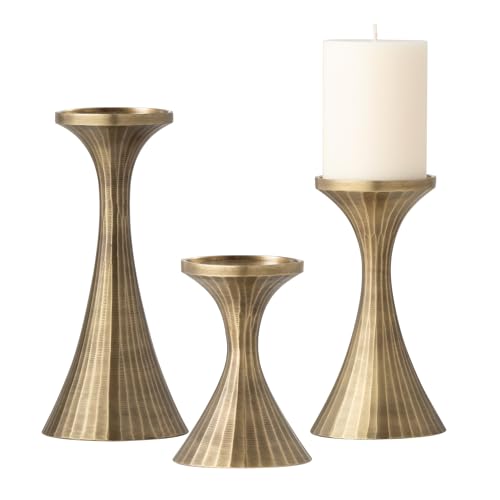

Sometimes remembrance looks like tears.
Sometimes it looks like everyone laughing because somebody finally tells the story exactly as it happened.
A meaningful home does not hide its history.
It lets love remain part of the room.
7. Let the Living Room Expect Company

After dinner, everyone needs somewhere to land.
Arrange the living room before guests arrive so conversation can happen naturally. Pull chairs toward the sofa, add a small table where someone can rest a mug and place baskets nearby for extra blankets.
Turn on lamps instead of relying on the overhead light. Use candles, warm bulbs and the soft glow from nearby rooms to make the space feel settled.
Add a few Thanksgiving decorations through texture rather than novelty: wool throws, velvet pillows, woven baskets, dark wood and branches gathered from outside.




Do not make every seat look so perfectly styled that nobody wants to disturb it.
A pillow that cannot survive being moved is not ready for Thanksgiving.
8. Give Gratitude Somewhere to Land

Gratitude does not need to become a formal activity with instructions, matching pens and a presentation afterward.
Place a bowl, small box or stack of cards somewhere guests will naturally notice it. Ask everyone to write one thing they are grateful for.
The answers can be read during dinner or saved privately.
Children may write “pie.” Adults may write the names of people sitting beside them. Someone will almost certainly write something funny because sincerity has limits when the entire family is watching.
Save the cards and bring them out next Thanksgiving.


Over time, they become a record of new babies, new homes, difficult years survived and ordinary moments that turned out not to be ordinary at all.
That is a decoration worth keeping.
9. Let the House Look Happily Lived In

Thanksgiving is not the day to panic because a throw blanket is crooked.
Let the house show signs that people are there.
Coats can collect near the door. Shoes may appear beneath chairs. A serving dish may not match anything else on the table. Someone will leave a glass in a room where no beverage has ever logically belonged.
This is not the house becoming messy.
This is the house doing its job.


Prepare for real life by placing baskets near the entrance, coasters around the living room and extra napkins within reach. Clear unnecessary decorations from surfaces where guests will need space.
The most welcoming homes allow people to relax without making them feel as though they are endangering the furniture.
10. Save the Last Light for the People Who Stay

The final Thanksgiving moment happens after the plates are cleared.
The room becomes quieter. Candles burn lower. Someone cuts another piece of pie so small it has clearly entered the category of administrative paperwork.
Do not rush this part.
Bring coffee or tea to the table. Turn off the brightest lights and let lamps, candles and the remaining glow from the kitchen soften the room.
This is where the questionable family story usually makes its annual appearance.


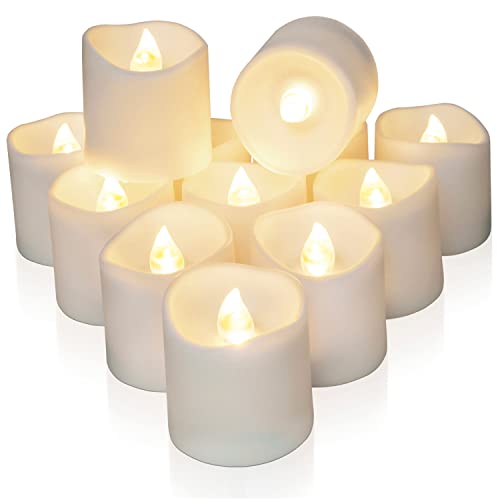
Everyone claims to remember it differently. No version is completely reliable. That has never stopped anyone from telling it with confidence.
These are the minutes people carry home.
The unhurried ones.
The ones that happen after the planned celebration has ended and nobody is ready to leave.
How to Make Thanksgiving Decorations Feel Meaningful
Meaning does not come from buying more seasonal decor.
It comes from choosing what supports the people gathering in your home.
Start with five materials that already feel connected to the season:
- Warm wood
- Soft linen
- Aged brass
- Clear or amber glass
- Natural greenery
Then add pieces connected to your family: inherited dishes, handwritten recipes, old photographs, familiar serving bowls and place cards bearing the names of people you love.
Use Thanksgiving decorations to guide the eye, warm the room and make guests feel expected.
Leave space for food.
Leave space for conversation.
Most importantly, leave space for the day to become something you did not perfectly plan.
The House Will Remember, Too
Years from now, nobody will remember whether every napkin matched.
They will remember who sat beside them.
They will remember a child laughing at the other end of the table, someone arriving later than promised and the familiar voice telling a familiar story as though it had never been told before.
They may remember the pie.
The pie has a strong public-relations department.
But what they will carry with them is the feeling of being expected, welcomed and loved.
That is when the house truly turns Thanksgiving.
Not when the pumpkins arrive.
When the people do.